
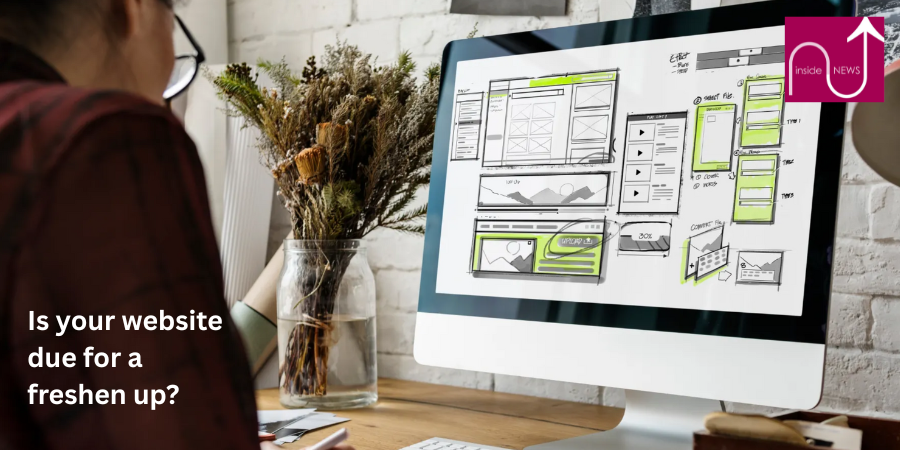
When did you last take a proper look at your website? Not just a quick glance to check it’s still working, but a genuine assessment of whether it’s doing its job properly. If you’re struggling to remember, that’s probably your answer right there.
Your website is often the first impression potential customers get of your business. And like a shop window that hasn’t been updated in years, a stale website can quietly turn people away before they’ve even picked up the phone.
What should you be looking at?
Your message has probably evolved
Think about how you describe what you do today versus a year or two ago. Chances are, you’ve refined your pitch, discovered what resonates with customers, and perhaps even shifted your focus slightly. Your website should reflect this evolution, not the version of your business from when the site was first built.
Outdated content can make you appear out of touch or, worse, no longer trading. Fresh copy that speaks to your current customers’ needs and challenges will always perform better than generic text written years ago.
Your customers’ needs have changed
The questions your customers ask today might be completely different from those they asked when you launched your site. Perhaps certain services have become more popular, or new pain points have emerged in your industry. Your website content needs to address the actual concerns people have right now.
You’re missing opportunities
Every page on your website should have a purpose, gently guiding visitors towards taking action, whether that’s getting in touch, downloading a resource, or making a purchase. If your pages just sit there without clear calls to action, you’re leaving money on the table.
Similarly, if you’ve added new services or products, but haven’t properly showcased them on your site, potential customers simply won’t know they exist.
First impressions count
Whilst content is king, let’s not ignore the visual side. Design trends move on, and a website that looked cutting-edge five years ago might now feel dated. More importantly, if your site isn’t working beautifully on mobile devices, you’re frustrating a huge chunk of your audience.
The same goes for user experience. If visitors can’t find what they’re looking for within seconds, they’ll give up and try a competitor. Simple navigation, fast loading times, and intuitive layouts aren’t nice-to-haves – they’re essentials.
Your competitors aren’t standing still
You can bet your competitors are regularly reviewing and updating their websites. If their site looks polished and current whilst yours is gathering digital dust, who do you think potential customers will trust with their business? And even if your competitors haven’t updated their websites, if yours looks much more current and easier to use, guess who will get the enquiry?
The good news
A website refresh doesn’t have to mean starting from scratch. Often, it’s about refining what you’ve got: updating copy to better reflect how you work today, improving your headlines to grab your visitor’s attention, adding calls to action, updating case studies, and ensuring everything is focused on your visitor and it all works seamlessly.
The question isn’t whether you can afford to update your website – it’s whether you can afford not to.
